
Orthodontic Solutions
Stop improvising the finish. Build excellence into the case from the first appointment.
The criteria and clinical details that separate an acceptable result from one you would sign your name to.
If any of this sounds familiar, this is the gap.
Cases drag past their deadline in the final stage — "almost done" quietly turns into another year in braces.
You evaluate your own finishes by a vague feeling that the case "looks done," not by defined criteria.
Details that refuse to settle at the end were actually planted months earlier — and you only see them at debond.
The last months of treatment decide how the entire case is judged, yet finishing is where you feel least prepared.
A finish that is planned, not improvised.
This ebook condenses Prof. Kleber Meireles’ approach to treating and finishing with excellence — the same clinical reasoning behind treatments that used to take 4–5 years being resolved in under 2. No shortcuts: criteria, so the finish is built into the plan from the first appointment instead of negotiated at the end.
- +Plan every phase with the end result in mind, instead of "fixing it later"
- +Evaluate your own cases against occlusal, esthetic and stability criteria before debonding
- +Identify the details that block cases in the final stage — and address them when correction costs weeks, not months
- +Connect diagnosis, mechanics and finishing into one continuous plan
Every chapter earns its place.
PDF · 24.8 MBFinishing-first treatment planning
Why the finish starts at the first appointment — treating every phase with the end result in mind.
- The cost of "fixing it later"
- How the initial plan determines the final detail work
Occlusal criteria for an excellent finish
Objective occlusal parameters to hold your case against before considering it done.
- What a finished occlusion must show, tooth by tooth
- Common occlusal details that pass unnoticed until debond
Esthetic evaluation before debonding
Judging the smile and facial result deliberately instead of discovering it at the end.
The details that block cases in the final stage
How to recognize finishing problems early, when correcting them costs weeks instead of months.
Stability — finishing for the long term
The relationship between how a case is finished and how well the result holds.
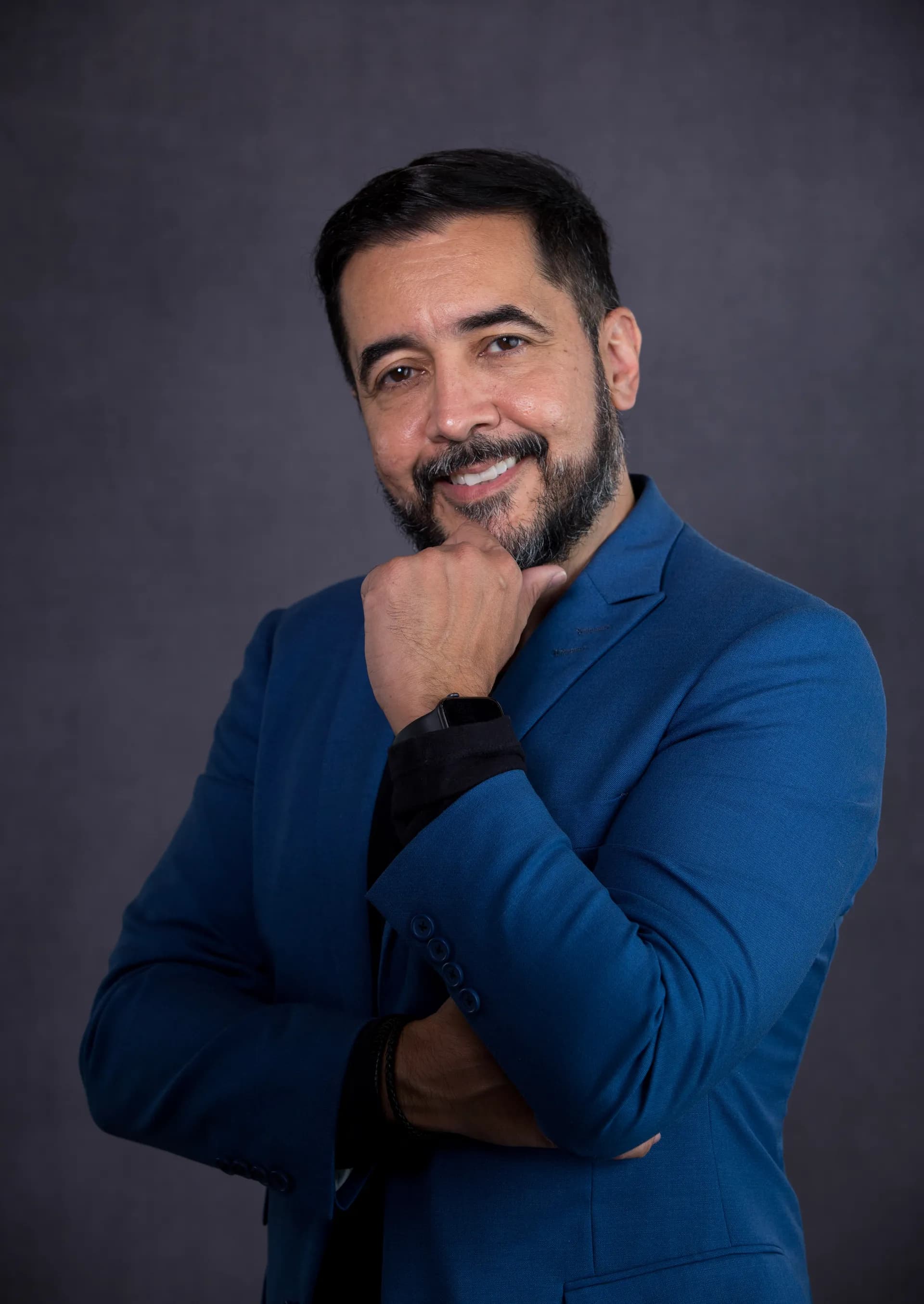
Prof. Dr. Kleber Meireles.
Orthodontist, international speaker and creator of the KM Orthodontic Diagnosis and Treatment Planning System. Specialist in Orthodontics at USP Bauru, professor and coordinator of postgraduate orthodontics programs, co-creator of the Centrex System published in the Dental Press Journal.
His teaching is built on one premise: cases that used to take four to five years can be resolved in under two — not through talent, but through diagnosis and biomechanics applied as a method.
Built for a specific clinician.
- +Orthodontists whose cases reach "acceptable" but should finish excellent
- +Clinicians whose treatments take too long in the final stage
- +Practitioners unsure when a case is truly ready to debond
- +Postgraduate dentists building their finishing criteria from the start
- −Anyone looking for a full video course — this is a clinical ebook, not the biomechanics program
- −Clinicians who want appliance-specific instructions rather than finishing criteria
One price. Everything included.
Secure checkout via Eduzz. Card, installments and international payment supported.
- +PDF · 24.8 MB
- +Immediate access · 1 year access
Before you ask.
What format is the ebook, and how do I receive it?
+
It is a PDF (24.8 MB), delivered through the KM Ortho Academy member area immediately after purchase. You can read it on any device and your access stays active for one year — download it to keep it.
Is it in English?
+
Yes. The ebook is written in English for an international audience of orthodontists in 131 countries.
Is this for experienced clinicians or beginners?
+
It is written for orthodontists and postgraduate dentists already treating cases. It does not introduce basic mechanics — it raises the standard you hold your finished cases to.
How is this different from the biomechanics courses?
+
The courses (Accessible & Practical Biomechanics, High-Level Orthodontist Training) teach the full mechanics in video, case by case. This ebook condenses the finishing criteria and clinical reasoning in written form — a starting point, and a reference you return to before every debond.
What if it does not raise my standard for finishing?
+
Read it and hold it against your current cases. If it does not change how you evaluate and plan your finishes, request a full refund within 15 days.
A finish that is planned, not improvised.
A clinical ebook on treating and finishing orthodontic cases with excellence — the reasoning that connects diagnosis, mechanics and finishing into one continuous plan.
Accessible & Practical Biomechanics
The complete KM biomechanics program: force systems, bonding strategy, first- to third-order bends, sagittal corrections and finishing — plus the full bonus stack of courses and ebooks.
$1397 →DTP · CourseKM Diagnosis & Treatment Planning
The complete four-layer diagnostic protocol. Facial, smile, occlusal and cephalometric analysis integrated into one repeatable system, from Class I to surgical cases.
$697 →