
Pendex Appliance Guide
Distalize upper molars without betting the case on hours of headgear wear.
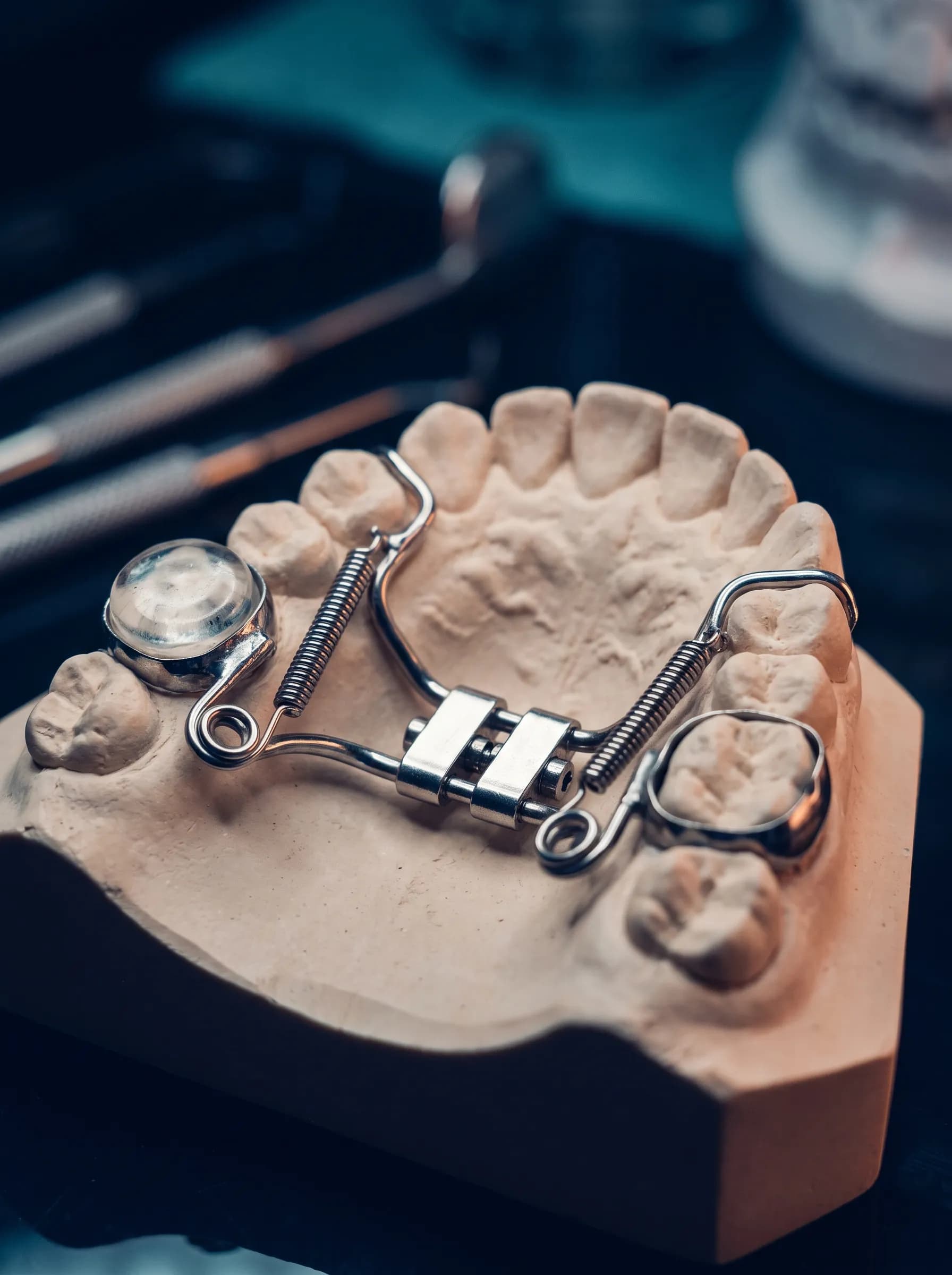
The complete practical guide to the Pendex appliance — fixed molar distalization with transverse control, from indication to daily management.
If any of this sounds familiar, this is the gap.
Distalizing with headgear means betting the case on hours of wear you cannot verify.
When cooperation fails, the Class II correction stalls and treatment drags on.
With distalization off the table, extraction starts looking like the only exit — even in cases that did not need it.
You know fixed distalizers exist, but you do not feel confident selecting cases or managing the appliance.
Molar distalization that does not hinge on the patient.
This complete practical guide covers the Pendex appliance — a fixed option for upper molar distalization with transverse control — so you can indicate it with criteria and manage it with confidence, from case selection to follow-through in daily practice.
- +Know when the Pendex is the right indication — and where it fits in plans that avoid extractions
- +Understand the movement you gain, the side effects to watch and the anchorage you must protect
- +Anticipate the practical problems of managing the appliance instead of improvising chairside
- +Use molar distalization as part of interceptive treatment in growing patients
Every chapter earns its place.
PDF · 13.5 MBThe Pendex and the cooperation problem
Why a fixed distalizer changes the odds when headgear wear cannot be verified.
Indication and case selection
When the Pendex is the right call — and where it fits in plans that aim to avoid extractions or compliance-dependent mechanics.
- Reading the space problem: distalization versus the alternatives
- Transverse control as part of the same appliance
What to expect from distalization
The movement you gain, the side effects to watch, and the anchorage you must protect.
Managing the appliance in daily practice
Practical chairside points — activation, follow-up and the problems to anticipate instead of improvise.
The Pendex in interceptive treatment
How molar distalization fits preventive and interceptive plans in growing patients.

Prof. Dr. Kleber Meireles.
Orthodontist, international speaker and creator of the KM Orthodontic Diagnosis and Treatment Planning System. Specialist in Orthodontics at USP Bauru, professor and coordinator of postgraduate orthodontics programs, co-creator of the Centrex System published in the Dental Press Journal.
His teaching is built on one premise: cases that used to take four to five years can be resolved in under two — not through talent, but through diagnosis and biomechanics applied as a method.
Built for a specific clinician.
- +Orthodontists managing Class II or space problems in growing patients
- +Clinicians who want molar distalization that does not depend on patient cooperation
- +Practitioners who would rather intercept than extract
- +Postgraduate dentists adding a fixed distalizer to their toolkit
- −Clinicians looking for adult camouflage or surgical Class II solutions
- −Anyone expecting a full video course — this is a written practical guide
One price. Everything included.
Secure checkout via Eduzz. Card, installments and international payment supported.
- +PDF · 13.5 MB
- +Immediate access · 1 year access
Before you ask.
What format is the guide, and how do I receive it?
+
It is a PDF (13.5 MB), delivered through the KM Ortho Academy member area immediately after purchase. Read it on any device and your access stays active for one year — download it to keep it.
Is it in English?
+
Yes. The guide is written in English for an international audience of orthodontists in 131 countries.
Do I need previous experience with fixed distalizers?
+
No. The guide covers the Pendex from indication to daily management — it assumes you treat growing patients, not that you have used the appliance before.
How is this different from the Preventive & Interceptive Orthodontics course?
+
The PIO course covers the full interceptive approach in video — diagnosis, timing and multiple appliances across early treatment. This guide goes deep on one tool, the Pendex, in written form you can apply directly to your next case.
What if it does not make me more confident with the Pendex?
+
If this guide does not make you more confident indicating and managing the Pendex, request a full refund within 15 days.
Molar distalization that does not hinge on the patient.
A practical clinical guide to the Pendex appliance: upper molar distalization without depending on patient cooperation, from case selection to chairside follow-through.