
Mastering Elastics
Elastics with a protocol — not a prescription and a hope.
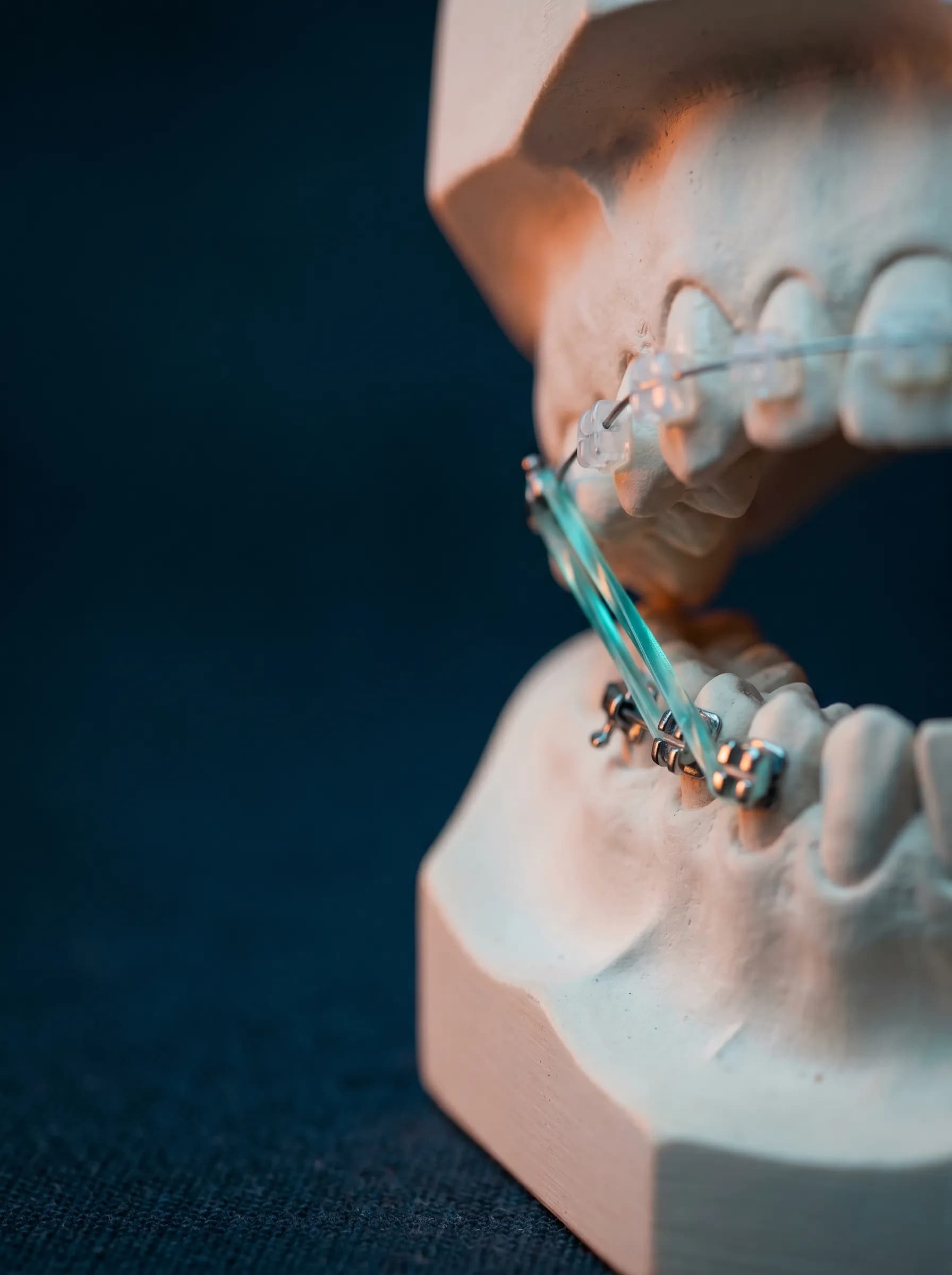
The lowest-cost mechanics in orthodontics, turned into a system: Class II, Class III, vertical, cross, asymmetric and intercuspation configurations with side effects managed by design.
If any of this sounds familiar, this is the gap.
You prescribe elastics — and then hope the patient cooperates and nothing extrudes.
Class II elastics open the bite exactly when you cannot afford it, and you find out at the next appointment.
Crossbite corrections tip instead of correcting, because the configuration was chosen by habit, not by mechanics.
Finishing drags on for months because the occlusion will not settle.
You reach for mini-implants and expensive auxiliaries on cases that elastics could have solved with a plan.
Elastic therapy becomes a system — predictable, verifiable, low-cost.
The course covers the essential biomechanics of intermaxillary elastics and then works through every clinical configuration: where to attach, which wire to pair, how to neutralize the vertical side effects, and how to hold the correction once you have it. Elastics are the lowest-cost resource in orthodontics — used with planning, they replace far more expensive mechanics.
- +Place Class II elastics deliberately — canine, archwire, sliding jig or auxiliary hooks — and manage their vertical side effects with heavier wires and occlusally placed hooks
- +Run multi-vector Class III mechanics within the patient’s facial limits
- +Close anterior open bites with vertical elastics, pure or combined with Class II/III vectors
- +Settle the occlusion with triangular and square intercuspation configurations — and finish on schedule
- +Verify force with a dynamometer and hold corrections with at least three months of active retention for bone and fiber consolidation
What is inside, module by module.
01Module I — Introduction to the Intermaxillary Elastics
1 lesson+
Module I — Introduction to the Intermaxillary Elastics
1 lessonThe biomechanical foundation: what elastics can do, what they cannot, and the variables that decide the outcome — force, vector, wear time and cooperation.
02Module II — Class II Elastics
5 lessons+
Module II — Class II Elastics
5 lessonsThe most used — and most misused — configuration in orthodontics.
- Horizontal and vertical effects of the Class II vector
- Application points: canine, archwire, sliding jig, auxiliary hooks
- Reducing extrusion with heavier wires
- Unilateral use in subdivision cases
- Anchorage control and use after distalization
03Module III — Class III Elastics
3 lessons+
Module III — Class III Elastics
3 lessonsAnteroposterior correction without surrendering the vertical.
- Basic A-P correction mechanics
- Multi-vector use with vertical components
- Upper anchorage management
04Module IV — Vertical Elastics
2 lessons+
Module IV — Vertical Elastics
2 lessonsClosing anterior open bites by extrusion of anterior teeth.
- Pure vertical configurations
- Combined Class II/III vectors for bite closure
05Module V — Asymmetric Elastics
1 lesson+
Module V — Asymmetric Elastics
1 lessonMidline deviations and subdivision corrections.
06Module VI — Cross Elastics
1 lesson+
Module VI — Cross Elastics
1 lessonTransverse corrections with inclination under control.
- Dental versus skeletal crossbite
- Inclination control, bite blocks and palatal buttons
07Module VII — Intercuspation Elastics
3 lessons+
Module VII — Intercuspation Elastics
3 lessonsThe protocols that actually finish a case.
- Triangular and square configurations
- Settling the occlusion
- Maintenance and retention
Beyond the core curriculum.
2 bonus lessons
Additional clinical content included in the members area.
E-book: 10 Topics About Elastics
The reference e-book on elastic therapy, to keep at the chair.
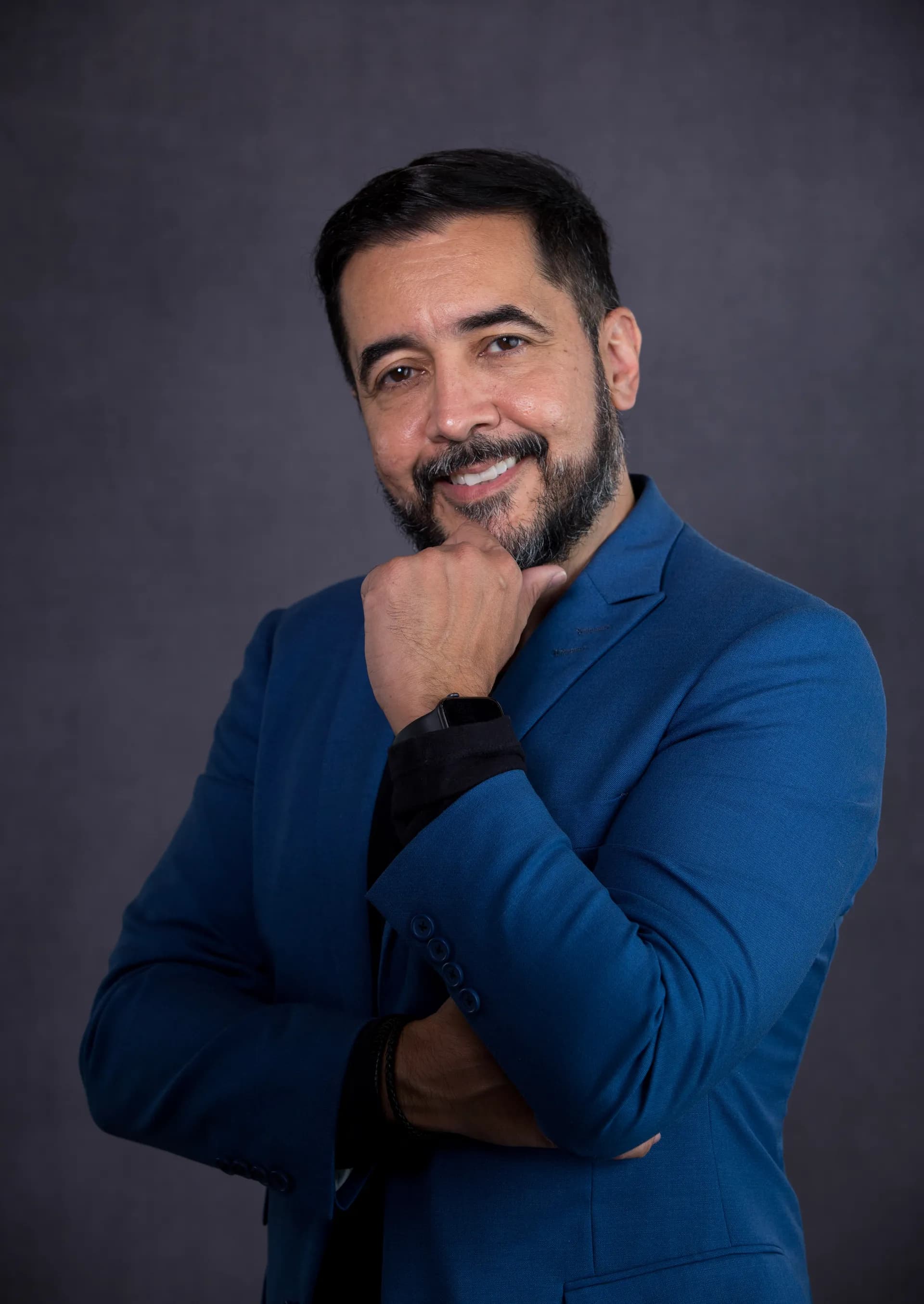
Prof. Dr. Kleber Meireles.
Orthodontist, international speaker and creator of the KM Orthodontic Diagnosis and Treatment Planning System. Specialist in Orthodontics at USP Bauru, professor and coordinator of postgraduate orthodontics programs, co-creator of the Centrex System published in the Dental Press Journal.
His teaching is built on one premise: cases that used to take four to five years can be resolved in under two — not through talent, but through diagnosis and biomechanics applied as a method.
Built for a specific clinician.
- +Orthodontists who see their patients monthly and want predictable, low-cost mechanics for Class II, Class III, vertical and transverse corrections
- +Clinicians tired of unplanned extrusion and bites that open during Class II correction
- +Practitioners who default to mini-implants and expensive auxiliaries on cases elastics could solve
- +Anyone whose finishing phase drags because the occlusion will not settle
- −Caseloads dominated by severe skeletal discrepancies that require surgery
- −Clinicians who cannot monitor patient compliance — cooperation is a core variable, and the course teaches you to manage it, not to bypass it
- −Anyone looking for aligner-specific elastic protocols — the mechanics are built around fixed appliances
One price. Everything included.
Secure checkout via Eduzz. Card, installments and international payment supported.
- +7-module video curriculum
- +16 lessons
- +1 year access
- +2 bonus lessons
- +E-book: 10 Topics About Elastics
Before you ask.
Is the course in English?
+
Yes. All lessons and the e-book are in English, made for an international audience of orthodontists in 131 countries.
How long do I have access?
+
One year of full access to the 7 modules, the bonus lessons and the e-book, on any device.
My patients don’t cooperate with elastics. Will this help?
+
Cooperation is treated as a clinical variable, not an excuse. The course covers patient selection, motivation strategies and configurations that deliver results within realistic wear time — plus force verification with a dynamometer so you know what the elastic is actually doing.
Does it cover the vertical side effects of Class II elastics?
+
In depth — it is the core of Module II. You learn to anticipate the extrusive component and neutralize it with heavier wires, occlusally placed hooks and the right application points.
Can elastics really replace mini-implants?
+
In many cases, yes — that is the cost argument of the course. You learn when elastics are the right tool, when TADs genuinely earn their place, and when the two work together.
What if it does not improve my control?
+
Apply one protocol — even a single Class II elastic setup with proper force verification. If it does not improve your control, request a full refund within 15 days.
Elastic therapy becomes a system — predictable, verifiable, low-cost.
Intermaxillary elastics as a system: every clinical configuration from Class II to intercuspation, with force verification, side-effect control and the retention protocol that consolidates the correction.
Guide to Elastics in Orthodontics
Clinical protocols for intermaxillary elastics: criteria for when to use them, how to control side effects, and how to get predictable results from orthodontics’ lowest-cost resource.
$47 →APB · CourseAccessible & Practical Biomechanics
The complete KM biomechanics program: force systems, bonding strategy, first- to third-order bends, sagittal corrections and finishing — plus the full bonus stack of courses and ebooks.
$1397 →AOB · CourseAnterior Open Bite
Diagnosis-driven treatment of anterior open bite in growing and adult patients: interceptive methods, vertical elastics, extraction mechanics, posterior intrusion with TADs and orthognathic preparation — with stability as a protocol of its own.
$147 →