
Facial & Cephalometric Analysis
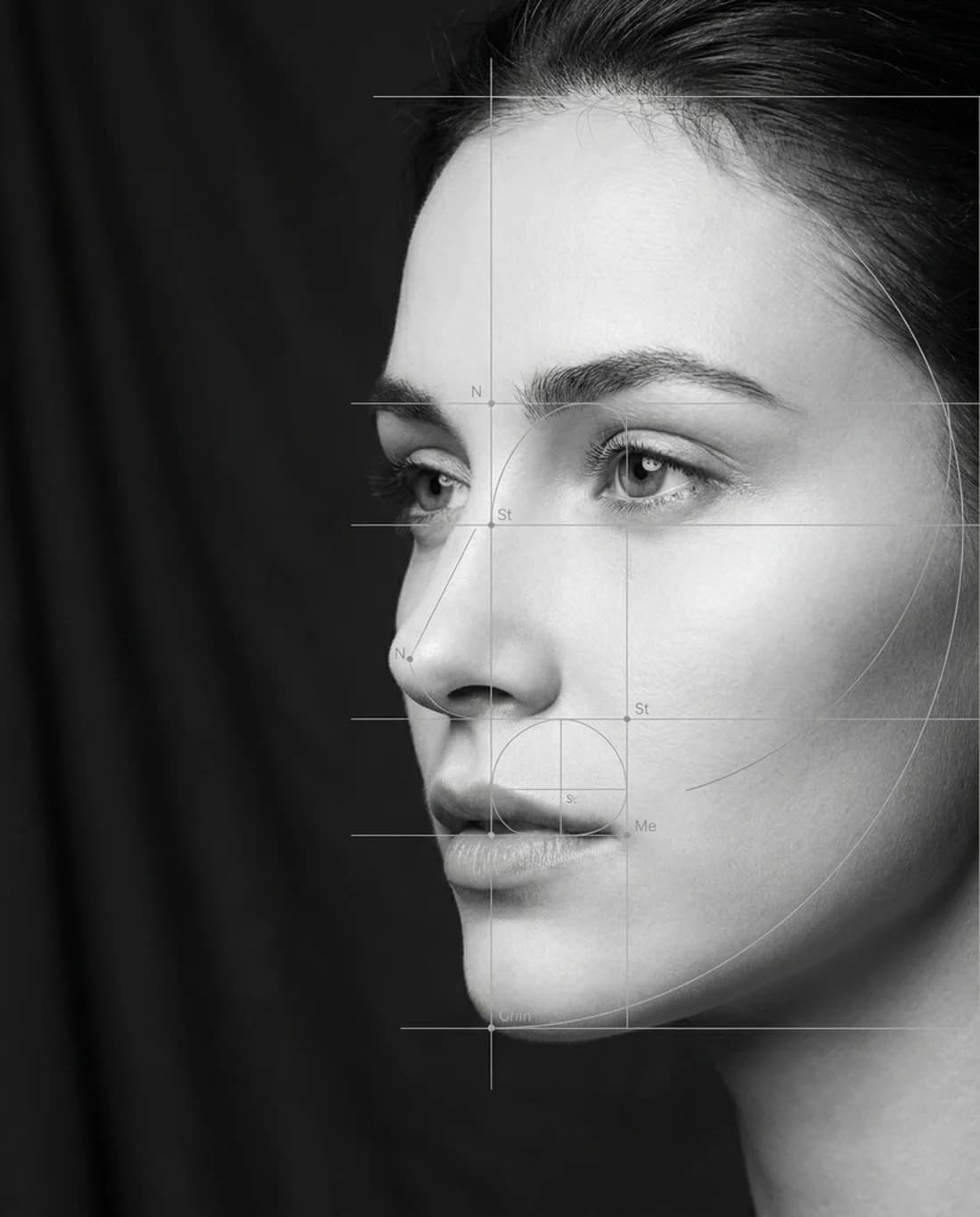
Read the face first. Use the cephalometric numbers that actually inform decisions.
When the tracing says one thing and the face says another, the patient wears the consequences. This ebook teaches you which one to trust — and why.
If any of this sounds familiar, this is the gap.
"I always feel insecure when I’m diagnosing" — the sentence orthodontists repeat most, and it usually starts at the tracing.
The cephalogram says one thing, the face says another, and the plan defaults to the numbers while the patient wears the consequences.
Your planning starts at the ceph values, and facial esthetics only gets a serious look at the end of treatment.
You collect measurements you never use — and the ones you do use do not change your decisions.
A diagnosis you can explain to yourself, to a colleague and to the patient.
This ebook brings Prof. Kleber Meireles’ approach to facial and cephalometric analysis: read the face systematically first, then use cephalometrics as a tool that supports the diagnosis instead of dictating it. It is the face-first reasoning that underpins his entire diagnostic method.
- +Evaluate the face systematically — profile, facial thirds and lip position — before opening the tracing
- +Use only the cephalometric measures that inform clinical decisions, and recognize the ones that mislead
- +Combine facial and cephalometric findings into one defensible diagnosis
- +Build the foundation for confident treatment planning, case after case
Every chapter earns its place.
PDF · 24.4 MBWhy the face comes first
The reasoning behind face-first diagnosis — and what goes wrong when the numbers lead.
Systematic facial analysis
A repeatable sequence for reading the face before touching the cephalogram.
- Profile evaluation and facial type
- Facial thirds and proportion
- Lip position and the lower third
Cephalometric measures that matter
Which measurements actually inform clinical decisions — and which mislead more than they help.
- Anterior teeth inclination as a decision driver
- The numbers to stop collecting
Combining face and tracing into one diagnosis
How facial and cephalometric findings resolve into a plan you can defend — even when they disagree.
From analysis to treatment planning
How face-first diagnosis sets up the treatment decisions that follow.

Prof. Dr. Kleber Meireles.
Orthodontist, international speaker and creator of the KM Orthodontic Diagnosis and Treatment Planning System. Specialist in Orthodontics at USP Bauru, professor and coordinator of postgraduate orthodontics programs, co-creator of the Centrex System published in the Dental Press Journal.
His teaching is built on one premise: cases that used to take four to five years can be resolved in under two — not through talent, but through diagnosis and biomechanics applied as a method.
Built for a specific clinician.
- +Orthodontists who feel insecure about diagnosis
- +Clinicians whose planning currently starts at the cephalometric numbers
- +Practitioners who want facial esthetics driving the plan instead of audited at debond
- +Postgraduate dentists building a structured diagnostic routine
- −Anyone looking for the complete diagnostic protocol in video — that is the KM Diagnosis & Treatment Planning System
- −Clinicians who want software tutorials for digital tracing — this is clinical reasoning, not tooling
One price. Everything included.
Secure checkout via Eduzz. Card, installments and international payment supported.
- +PDF · 24.4 MB
- +Immediate access · 1 year access
Before you ask.
What format is the ebook, and how do I receive it?
+
It is a PDF (24.4 MB), delivered through the KM Ortho Academy member area immediately after purchase. Read it on any device and your access stays active for one year — download it to keep it.
Is it in English?
+
Yes. The ebook is written in English for an international audience of orthodontists in 131 countries.
Is this too basic if I already trace cephalograms routinely?
+
It is written for clinicians who already collect records. The point is not how to trace — it is which measures deserve a place in your decisions, and how the face reorders all of them.
How is this different from the DTP course?
+
The KM Diagnosis & Treatment Planning System is the complete four-layer protocol in video — facial, smile, occlusal and cephalometric analysis applied case type by case type. This ebook condenses the facial and cephalometric layers in written form, as a focused starting point.
What if it does not change how I diagnose?
+
If this ebook does not change how you read a face and a tracing, request a full refund within 15 days.
A diagnosis you can explain to yourself, to a colleague and to the patient.
A clinical ebook on facial and cephalometric analysis — read the face systematically first, use the cephalometric measures that matter, and build diagnoses you can defend.
KM Diagnosis & Treatment Planning
The complete four-layer diagnostic protocol. Facial, smile, occlusal and cephalometric analysis integrated into one repeatable system, from Class I to surgical cases.
$697 →FSA · CourseFacial & Smile Analysis
A focused 3-module, 22-lesson course on the first two pillars of the KM diagnostic method: structured facial and smile analysis, so diagnosis and planning start with the face — not the occlusion alone.
$197 →